
How to Make Money Through Digital Marketing in 2026
Imagine waking up, checking your phone, and seeing that you made money while you were sleeping. Sounds like a dream, right? Well, for thousands of people around the world, that dream is very much a reality thanks to digital marketing.
If you have been wondering how to make money through digital marketing but have no idea where to start, you are in exactly the right place. The good news is that you do not need a fancy degree, a huge budget, or years of experience to get started. You just need the right guidance and a willingness to learn.
In this tutorial, we are going to break everything down in simple, beginner-friendly steps. You will discover the most profitable digital marketing methods available in 2026, learn which ones are easiest to start with, and get practical tips you can actually use today. Whether you want a little side income or a full-time online career, this guide will help you figure out your best path forward. So grab a coffee and let us dive in!
Why Making Money Through Digital Marketing Is a Genuine Opportunity
If you have ever wondered whether making money through digital marketing is actually achievable for ordinary people, the numbers tell a pretty compelling story. Global digital ad spend is projected to surpass $740 billion by the end of 2026, according to Digital Advertising Statistics 2026, and that enormous pool of money does not flow exclusively to big agencies. Individual bloggers and small website owners collect a genuine slice of it every single day through display advertising and affiliate partnerships, often without ever speaking directly to an advertiser.
The audience side of the equation is just as encouraging. With over 5.3 billion internet users actively engaging with brands online and 67.9% of the global population now connected, according to 125 Digital Marketing Statistics for 2026, the addressable market for any content creator is at a historic peak. Even a tightly focused niche blog covering a very specific topic can realistically find tens of thousands of engaged readers. That kind of reach simply was not available to independent publishers a decade ago.
What makes this particularly accessible is that the same channels powering multi-million-pound brand campaigns are open to you right now, regardless of your experience level. A blogger with a modest but growing audience can earn through display ads, affiliate links, sponsored content, or digital products, using exactly the same platforms and tools available to large businesses. You do not need a marketing degree or a substantial budget to get started.
Recommended Reading


The variety of monetisation methods also means there is a realistic starting point for almost everyone. Whether you are brand new with minimal traffic, or you have been building a site for a while and want to maximise what you already have, there is an approach that fits your current situation. The opportunity is genuinely there; the key is understanding which methods suit where you are right now, and building from that foundation.
How Digital Marketing Monetisation Actually Works
At its core, monetisation through digital marketing is simply the process of turning online attention into income. Whether that attention comes from blog readers, email subscribers, or social followers, the goal is the same: connect the right audience with the right offer, and a percentage of them will convert into revenue for you.
A simple equation helps make sense of how this works in practice. Think of it this way: traffic multiplied by relevance multiplied by your conversion rate equals income. The exciting part is that each of those three variables can be improved independently. You do not need to triple your traffic to triple your income. Sometimes improving the relevance of an offer, or tweaking how you present it, makes just as big a difference.
The Three Models That Matter Most
For independent publishers, bloggers, and website owners, three income models dominate the landscape.
Display advertising pays you based on impressions and clicks, with platforms like Google AdSense placing ads automatically across your content. Affiliate marketing is performance-based; you earn a commission when a reader clicks your link and makes a purchase. According to 2026 affiliate marketing data, 76% of publishers say affiliate marketing makes monetising their website straightforward, and brands record an average ROI of £15 for every £1 spent. Owned audience monetisation, through email lists and membership communities, gives you the most direct relationship with your readers and the least dependence on algorithm changes.
Matching the Model to Your Stage
This is probably the most practical decision a beginner needs to make early on. With low traffic, display ads will earn very little; at around 10,000 monthly visitors, earnings are modest but they do compound over time. At 100,000 monthly visitors, display advertising becomes a genuinely meaningful standalone income stream.
Affiliate marketing, however, works at almost any traffic level because relevance matters more than volume. A small, engaged audience in a specific niche can generate solid affiliate income long before display ads become worthwhile. Starting with affiliate marketing while building traffic toward display ad thresholds is a smart, staged approach that many successful bloggers use from day one.
Build an SEO Foundation That Actually Earns
Think of SEO as the engine that keeps your digital income running around the clock. Without a steady flow of organic search traffic, your display ads sit idle and your affiliate links go unclicked. You could have the best content in the world, but if nobody finds it, it earns nothing. The good news is that building an SEO foundation is genuinely beginner-friendly in 2026, especially with the right tools and a clear strategy from the start.
Target the Right Keywords, Not Just the Popular Ones
One of the biggest mistakes beginners make is chasing high-volume keywords that massive websites already dominate. A smarter approach is to target low-competition, high-intent keywords. These are search terms where the person typing them is already close to taking action, whether that means clicking an affiliate link, signing up for a service, or purchasing a product. According to SEO expert Charles Floate’s 2026 niche analysis, niches with high transaction values and comparatively weak competition, such as equipment financing or senior home care, can deliver lead values ranging from ten to over a thousand pounds per conversion. You do not need to be in those exact niches, but the principle applies everywhere: content that matches specific search intent converts far better than broad, generalised posts.
Optimise On-Page SEO Without Technical Headaches
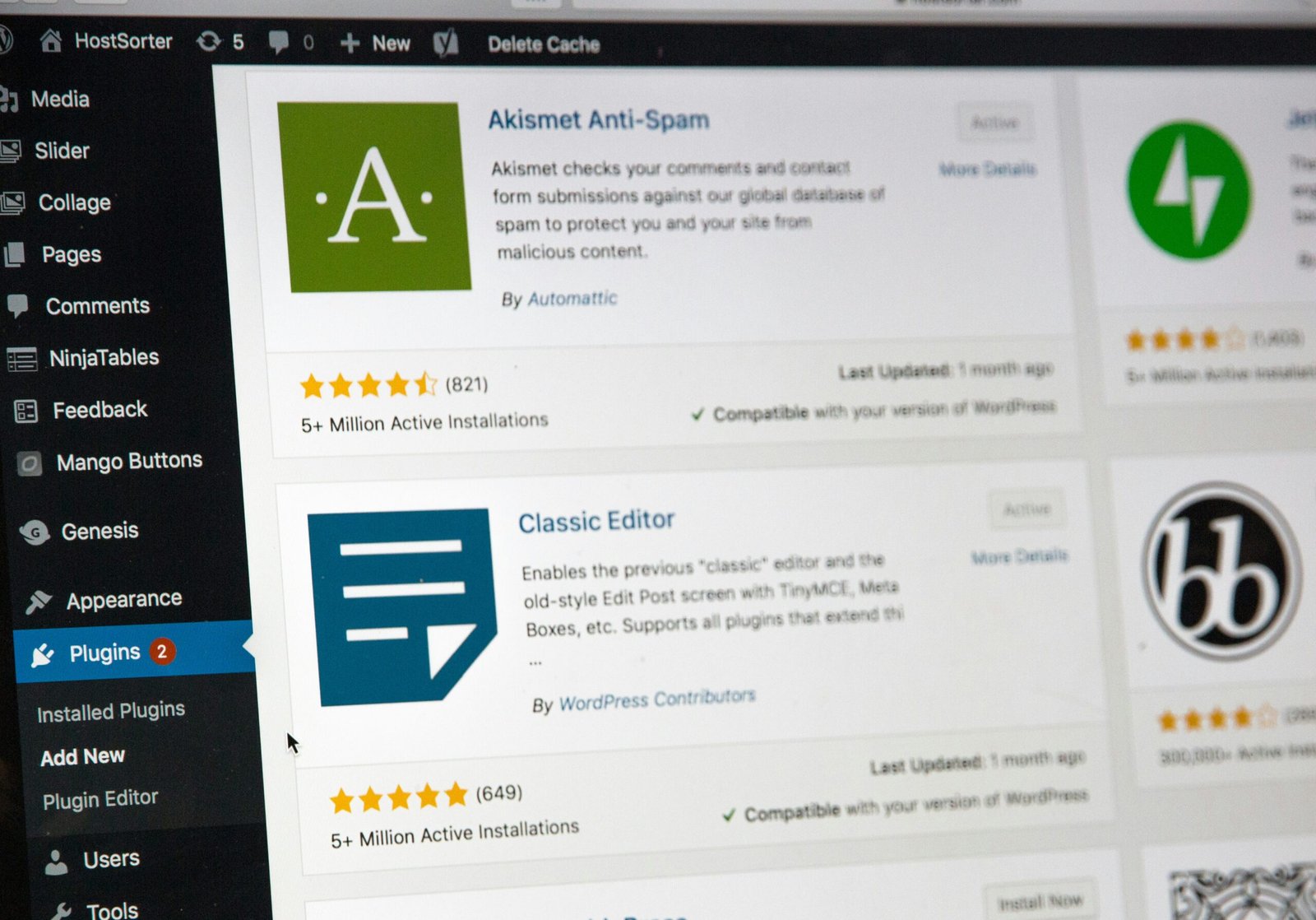
If your site runs on WordPress, you are in luck. Plugins like Squirrly SEO and Yoast SEO handle the technical heavy lifting so you can focus on writing. Both tools guide you through optimising your title tags, meta descriptions, focus keywords, and schema markup directly inside your WordPress editor. Squirrly SEO offers real-time content scoring and live SEO guidance as you write, while Yoast provides readability checks and structured data features that help Google understand your page. Neither requires you to touch a line of code, which makes them ideal for beginners looking to make money with SEO through proven, accessible models.
Write Content That Earns Google’s Trust
Short, surface-level posts simply do not compete anymore. Google’s quality evaluations in 2026 are built around the E-E-A-T framework, which stands for Experience, Expertise, Authoritativeness, and Trust. Content that answers a specific question thoroughly, includes first-hand perspective, and is structured clearly performs significantly better than a quick 300-word overview. As one content strategist writing about making money in 2026 puts it, what earns trust and income now is “perspective, curation, trust, and community.” Aim to write posts that genuinely solve a problem from start to finish.
Protect Your Income With Traffic Diversification
Relying entirely on Google for traffic is a risky strategy, and 2025 proved that painfully for many website owners when algorithm updates wiped out rankings overnight. Pairing your SEO efforts with at least one additional channel, such as an email list or a social media presence, creates a safety net. When organic rankings dip after an update, your email subscribers still receive your content and continue clicking your links. Building your email list from day one is one of the most protective steps you can take for your long-term income.
Use Free Tools to Audit and Improve Consistently
You do not need expensive software to stay on top of your SEO health. Free tools like Google Search Console, Ahrefs Webmaster Tools, and the free tier of Screaming Frog let you identify content gaps, track which keywords are bringing in traffic, and catch technical issues like broken links or slow page load times before they damage your rankings. Running a basic audit every month or two keeps your site in good shape and ensures small problems never snowball into serious income disruptions.
Earning With Display Advertising: AdSense and Beyond
Display advertising is one of the simplest ways to start earning from your website or blog, and that is a big part of why so many beginners gravitate toward it first. Once you are approved and the ad code is placed on your pages, the whole system runs on autopilot. Ads are matched to your content and your visitors automatically, and you earn money based on impressions (how many people see the ads) and clicks. There is no product to create, no customer service to manage, and no ongoing manual work required. You simply focus on growing your traffic and producing good content while the ads do their thing in the background.
Getting Started With Google AdSense
Google AdSense is the go-to starting point for most independent publishers, and for good reason. It taps into the largest network of online advertisers in the world, spanning over 2 million websites and reaching more than 90% of internet users globally. AdSense reads the content on each page and serves contextually relevant ads, which means visitors see advertising that actually relates to what they are reading. This relevance is what makes the system work well for both publishers and advertisers. As your traffic grows and your niche becomes more clearly defined, your earnings per thousand impressions (known as RPM) will typically improve alongside it. For UK-based publishers, realistic AdSense RPMs tend to range from around £1.50 to £8 or more, depending heavily on your niche and where your audience is based. Finance, legal, and insurance content tends to attract the highest RPMs, while general lifestyle content sits at the lower end. The honest takeaway here is that meaningful income from AdSense genuinely requires consistent traffic growth. It is a long game, not a quick win.
Exploring PropellerAds as a Complementary Option
PropellerAds is worth knowing about as an alternative or additional layer on top of AdSense. It offers formats that go beyond traditional banner ads, including push notifications and interstitial ads, which can perform particularly well on entertainment, gaming, and tool-based websites. Some publishers run both networks across different placements, treating them as complementary rather than competing options. If you are curious about how display advertising can work across different formats and traffic types, this practical guide to earning with display advertising is a useful read from a publisher who has tested the approach extensively.
Placement Strategy and Avoiding Common Mistakes
Where you place your ads matters just as much as which network you use. Ads positioned above the fold, embedded within the body of your content, and placed at natural reading pause points consistently generate better results than ads tucked into sidebars that readers scroll past without noticing. Think about where your eye naturally lands when you read a page, and use that as your placement guide.
One mistake that catches a lot of beginners out is cramming as many ads as possible onto a page in the hope of maximising revenue quickly. This approach tends to backfire. It creates a poor reading experience, pushes visitors to leave faster, and can trigger ad quality penalties from networks like AdSense that actively monitor for excessive ad density. A higher bounce rate also signals to search engines that your content is not satisfying visitors, which can hurt the organic traffic your ad income depends on. Fewer, well-placed ads on a fast-loading page will almost always outperform a cluttered layout over the long term. For a broader look at display advertising best practices in 2026, including format guidance and platform comparisons, that resource covers the current landscape in useful detail.
Affiliate Marketing: How to Earn Commissions From Your Content
Affiliate marketing is one of the most beginner-friendly ways to earn money online, and the basic idea is refreshingly straightforward. You promote a product or service to your audience using a unique referral link, and when someone clicks that link and makes a purchase or completes an action like signing up for a free trial, you earn a commission. You never handle stock, deal with customer service, or manage payments. The merchant takes care of all of that. Your job is simply to connect the right people with the right offer at the right moment.
Why It Works Even With a Small Audience
One of the biggest myths about affiliate marketing is that you need a huge audience before you can earn anything meaningful. The data tells a different story entirely. Creator affiliates with engaged audiences generate significantly more revenue per follower than traditional display advertising on comparable traffic volumes, which means a tightly focused blog with a few thousand loyal readers can genuinely outperform a generic site with ten times the visitors. The reason is simple: when your audience trusts your recommendations and the products you promote are genuinely relevant to what they came to read, conversions follow naturally. Quality of attention beats quantity of eyeballs every single time.
Picking the Right Programmes
Choosing affiliate programmes that actually match your niche is not just good advice; it is the single biggest factor in whether your links earn or sit dormant. Promoting tools, services, or products you have personally used and can honestly recommend produces higher conversion rates and, more importantly, keeps your readers trusting you for the long term. Over 80% of brands now run affiliate programmes, so whatever your niche, there are relevant options available. Commission rates vary quite a bit depending on the category. Software products often offer recurring commissions, while physical products typically pay a percentage of the order value. Choosing a niche you genuinely know keeps your content authentic and your recommendations credible.
Content Formats That Convert
Certain content types are particularly effective at generating affiliate income, and the good news is that they also tend to rank well in organic search. Product reviews, comparison posts, tutorials that recommend specific tools, and curated resource pages all sit in this category. These formats work because readers arriving at them already have intent; they are actively researching a decision and are primed to act on a strong recommendation. According to affiliate marketing benchmarks for 2026, commerce content like product roundups and review pieces is one of the fastest-growing affiliate formats by revenue, growing 34% year-on-year. Writing a thorough, honest review of a tool you use in your own workflow is genuinely one of the most productive things you can do for your income and your SEO at the same time.
Disclosure and Tracking
Transparent disclosure of affiliate relationships is a legal requirement under UK consumer protection rules, including the Consumer Protection from Unfair Trading Regulations 2008 and the CAP Code. Beyond the legal side, being upfront with your readers actually builds trust rather than eroding it. A simple sentence at the top of a post letting readers know you may earn a commission costs you nothing and signals honesty. Finally, keeping an eye on which links and content types are generating commissions lets you work smarter over time. Most affiliate networks provide dashboards showing click and conversion data, and tracking this regularly means you can gradually shape your content calendar around the topics and formats that earn the most, compounding your results month by month.
Building and Monetising an Email List in a Privacy-First World
Of all the assets you can build through digital marketing, an email list is the one that belongs entirely to you. Social media algorithms can bury your content overnight. Search rankings can shift with a single Google update. But your email list sits in your account, untouched by any platform’s mood. With third-party cookies now effectively defunct across most major browsers, the marketers who built direct relationships with their audiences are the ones who kept earning while others scrambled to adapt.
This is where first-party data becomes such an important concept to understand. First-party data simply means information your audience gives you directly, with full awareness and consent. An email address collected through a transparent sign-up form is the clearest possible example. You own it, your subscriber chose to share it, and no intermediary can revoke your access to it. According to privacy-first marketing research from Data Axle, organisations that build on consented, direct audience relationships are now far better positioned than those still depending on cookie-based tracking that is quietly disappearing.
For UK bloggers and site owners, building that list correctly means understanding UK GDPR, which runs parallel to the EU version but falls under ICO guidance specifically. The practical requirements are straightforward: you need explicit opt-in consent (no pre-ticked boxes), a clear privacy policy that explains how subscriber data will be used, and honest communication about what people are signing up for. Importantly, someone downloading your free guide does not automatically consent to receiving your marketing emails. Those two acts of consent must be kept separate. Getting this right is not just a legal obligation; it builds the kind of trust that makes subscribers actually open your emails.
The good news is that you do not need a huge list to start earning. A focused list of 500 engaged, niche-relevant subscribers can generate real affiliate income when your recommendations are timely and genuinely relevant to their interests. Affiliate email marketing statistics consistently show that email outperforms almost every other channel for affiliate conversion, precisely because the relationship is more personal than a banner ad or a search result.
Personalisation makes that relationship even more valuable. When you segment your list, even simply (by topic interest or where a subscriber joined), your emails feel like a conversation rather than a broadcast. Research shows 77% of consumers will willingly share their email address in exchange for personalised experiences, which means transparency and genuine value exchange actually help your list grow rather than hinder it.
Lead magnets are your most effective tool for kickstarting that growth. A focused checklist, a short email course, or a practical template gives someone an immediate reason to subscribe, and it sets the tone for everything that follows. Keep your lead magnet tightly matched to your niche; a specific, useful resource attracts exactly the kind of subscriber who will later click your affiliate recommendations and actually buy.
Using AI Tools to Produce and Optimise Monetisable Content Faster
Approximately 75% of brands have now incorporated generative AI into their marketing strategies, and here is the part that should excite you as an independent blogger: you no longer need an agency budget to access the same workflows. The tools that enterprise marketing teams use to scale content production, research keywords, and audit underperforming pages are available to solo creators right now, often at a fraction of the cost of hiring a writer or consultant. That shift genuinely levels the playing field, and ignoring it means working significantly harder for slower results.
In practical terms, AI can compress the most time-consuming parts of content creation into minutes rather than hours. You can use AI tools to generate detailed content outlines, draft full sections, identify related keywords you might have missed, and flag natural internal linking opportunities across your existing posts. Each of these tasks directly supports both your SEO performance and your monetisation potential, because well-structured, keyword-rich content attracts more organic traffic, and more traffic means more ad impressions and affiliate link clicks.
The most important skill in 2026 is not just using AI; it is directing it well. Generic AI-generated content that lacks real insight or a recognisable voice tends to underperform in search and convert poorly with readers. The content that ranks and earns is AI-assisted content layered with your own expertise, personal experience, and niche knowledge. Think of AI as a highly capable first-draft assistant. You still bring the depth, the opinions, and the trust-building voice that turns casual visitors into loyal readers who actually click your recommendations. Research from Wake Forest University confirms that AI enhances marketing effectiveness when guided by human strategy rather than replacing it entirely.
AI is also surprisingly useful for monetisation audits. You can ask an AI tool to review an underperforming post and suggest where a stronger affiliate call to action might fit naturally, whether the keyword targeting could be tightened, or how the content structure might be improved to hold attention longer.
Bloggers who combine AI-assisted workflows with consistent publishing and solid SEO fundamentals grow their traffic and income faster than those doing everything manually. That said, keep one important boundary clear: AI supports your strategy, but genuine expertise, original research, and authentic voice are yours alone to provide. Those qualities are what build the long-term reader trust that no tool can replicate.
Social Media as a Revenue Channel, Not Just a Traffic Source
Most people think of social media as a way to drive clicks to their website, and it absolutely does that job well. But treating it purely as a traffic source in 2026 means you are leaving a significant slice of potential revenue on the table. Platforms have evolved into fully-fledged monetisation ecosystems in their own right, with shoppable content formats, built-in creator monetisation programmes, and social commerce features that allow audiences to discover, evaluate, and purchase without ever leaving the app.
For bloggers and site owners, though, the most practical approach is not necessarily chasing those native monetisation features straight away. The smarter play is using your social content to warm up your audience first, building familiarity and trust, and then directing that engaged traffic toward your monetised website content, affiliate posts, or email list. A short video explaining a problem your audience faces, followed by a link to your in-depth blog post that carries display ads and affiliate recommendations, is a simple funnel that compounds over time.
One of the biggest risks in social media marketing right now is over-reliance on a single platform. Algorithm changes on platforms like Meta and TikTok have a habit of quietly strangling reach with little warning, and strategies that delivered strong results six months ago can suddenly underperform for no obvious reason. Spreading your content efforts across two or three platforms significantly reduces your exposure to any one algorithm shift, giving your income sources more stability.
Here is a stat worth sitting with: 68.8% of marketers feel confident keeping up with new social media features. The problem is that confidence does not automatically translate into revenue. Follower counts and engagement rates can feel rewarding, but they are not money in your account. The goal is always to connect your social activity to a measurable outcome, whether that is email sign-ups, affiliate clicks, or website sessions that generate ad income.
Pairing your social content with affiliate links placed in your bio or through a link-in-bio page is one of the most accessible direct monetisation paths available, even for smaller accounts. What matters far more than follower count is niche alignment and audience intent. A tightly focused account with a few thousand genuinely interested followers in a high-value niche like personal finance, software tools, or health and wellness can consistently outperform a much larger general-interest account when it comes to actual affiliate conversions.
Protecting Your Income by Diversifying Traffic Sources
Here is something that many beginner bloggers only discover the hard way: if all of your income depends on a single traffic source, you are one algorithm update away from losing everything. It has happened to countless website owners who built their entire monetisation strategy around Google organic search, only to see rankings drop overnight after a core update. The same applies to social platforms. A policy change, an account suspension, or a sudden drop in reach can cut your traffic off at the source with no warning and no safety net underneath you.
A resilient income strategy in 2026 is built on at least three traffic sources working together. The most practical combination is organic search (SEO), an owned channel such as your email list, and at least one social or referral channel. The beauty of this setup is that each source supports the others. Your email list drives repeat visits that reinforce your SEO engagement signals. Your social content brings in new readers who then join your email list. If one channel takes a hit, the other two keep your income flowing while you recover.
It is also worth understanding that search behaviour itself has fragmented significantly. Your potential audience is no longer just searching on Google. People now discover content through YouTube, Pinterest, Reddit, and even AI-powered answer tools, depending on what they are looking for. This is genuinely good news for you because it means there are more entry points to your content than ever before.
One of the most practical habits you can build is regularly checking your traffic source breakdown inside your site analytics. If one channel accounts for more than 60 to 70 percent of your total visits, that is a signal to act. The best time to grow a secondary channel is before a crisis, not after one forces your hand.
Finally, diversification does not mean signing up for every platform and burning yourself out. It means building genuine depth on two to three complementary channels that reinforce each other and fit naturally into your workflow.
UK-Specific Considerations for Digital Marketing Income
If you are based in the UK, there are some important local factors that shape how you earn, comply, and grow through digital marketing. Getting these right from the start saves a lot of headaches later.
GDPR and your legal obligations as a content creator
UK bloggers and website owners operate under UK GDPR, which affects three practical areas of your business: how you collect email subscribers, how you handle cookies on your site, and how you disclose affiliate relationships to your readers. For email lists, this means you need genuine opt-in consent, not pre-ticked boxes or vague promises. For cookies, your site needs a compliant consent banner that gives visitors a real choice before any non-essential tracking begins. For affiliate links, the ASA and CAP guidelines require clear disclosure, so a simple statement like “this post contains affiliate links” at the top of relevant content keeps you on the right side of the rules.
Importantly, GDPR compliance is not just a legal box to tick. A transparent privacy framework signals to your readers that you respect them, and that trust directly supports your long-term monetisation. People who trust you are more likely to click your affiliate recommendations and more likely to stay on your site, which improves your ad revenue performance over time.
Why UK traffic is financially valuable
UK-based visitor traffic is considered a premium segment by advertisers. Display advertising networks typically pay higher RPMs for UK audiences compared to many other regions, because advertisers are willing to spend more to reach UK consumers. This means your SEO and audience-building efforts have a stronger financial return when your readers are predominantly based in the UK.
Affiliate programmes and tax basics
UK-specific affiliate programmes in sectors like finance, travel, and retail often convert far better for a UK audience than US-focused alternatives, simply because the products and services are locally relevant. On the tax side, digital marketing income is taxable. Once you earn above the £1,000 trading allowance, you should register with HMRC, track all income and expenses, and be aware that Making Tax Digital for Income Tax begins rolling out from April 2026, introducing quarterly digital reporting requirements for sole traders.
What You Can Realistically Earn and When
Let’s be honest about timelines, because this is where most beginners trip up. The majority of bloggers and content creators see their first meaningful income somewhere between six and eighteen months of consistent effort. That is not a flaw in the model; it is simply how organic growth works. The biggest variable is you showing up regularly, publishing content, and refining your approach rather than abandoning ship at the three-month mark when the numbers look quiet.
Display ad income is directly tied to your traffic volume, which is why it tends to be the slower-burn option. At around 10,000 monthly visitors, you are typically looking at somewhere between £20 and £80 per month through a platform like Google AdSense, depending heavily on your niche. Finance and legal content attracts far higher CPMs than general lifestyle blogging, for example. Scale that audience to 100,000 monthly visitors and the same model starts returning £200 to £800 or more each month. Still niche-dependent, but clearly more substantial.
Affiliate marketing tends to deliver earlier returns, and this is worth understanding properly. A single, well-written product review or comparison post targeting a buyer-intent keyword can generate a commission in your first few weeks if the content is built to convert. That one referral could easily outperform an entire month of ad impressions on a modest-traffic site. The catch is that you need content specifically designed with conversion in mind, not just general information posts hoping readers click something.
Here is a finding worth keeping in your back pocket: 48% of marketing personalisation leaders exceeded their revenue goals. Strategy and targeting genuinely matter more than sheer traffic volume. A tightly focused site in a well-defined niche will consistently outperform a broader site with comparable or even higher visitor numbers, simply because the audience intent is clearer and the content resonates more precisely.
The most reliable long-term approach combines all three income streams together. Display ads provide a passive baseline, affiliate commissions add performance-based upside, and email-driven promotions give you a channel you own completely. Relying on any single source keeps you unnecessarily exposed to platform changes and traffic fluctuations.
Your Next Steps to Earning Through Digital Marketing
The path forward is simpler than it might feel right now. Build a solid SEO foundation, activate one monetisation method, grow an email list as your owned audience channel, and gradually diversify your traffic sources over time. Each of these steps compounds on the last, meaning the work you do today keeps paying out months and years from now.
If you already have traffic coming in, start with display advertising through AdSense or PropellerAds and let it run while you build. If you are starting from scratch, affiliate marketing is your best first move; it rewards targeted content even before your traffic volumes are large. Pick one, focus on it, and resist the temptation to chase every opportunity at once.
Consistency and patience are the two variables most firmly within your control. Algorithm changes and platform shifts will happen to everyone, but a diversified, audience-owned operation weathers those storms far better than one built on a single traffic source.
brianhillier.co.uk is built specifically to support beginners at every stage of this journey, with free SEO tools, AdSense and PropellerAds guidance, Squirrly and Yoast tutorials, and practical affiliate marketing resources ready to use right now. Every piece of content you publish, every email subscriber you gain, and every affiliate link you place is a compounding asset. The best time to start is today.
Conclusion
Digital marketing in 2026 is one of the most accessible and rewarding ways to build real income online. You have learned that you do not need a big budget or a degree to get started, that multiple profitable paths exist to match your skills and lifestyle, and that consistency is the true secret behind every success story you admire.
The opportunity is right in front of you. The only thing standing between you and your first dollar online is taking that first step.
So here is your call to action: pick one method from this guide, commit to it for 90 days, and start today. Not tomorrow, not next week. Today.
Thousands of ordinary people have already built extraordinary incomes through digital marketing. You have everything you need to join them. Now go make it happen.