
Real Ways to Make Money on the Internet in 2026
Let’s be honest. You’ve probably Googled “how to make money online” at least once (or maybe a hundred times), and ended up more confused than when you started. The internet is packed with hype, scams, and promises that sound too good to be true. But here’s the thing: making money on the internet is genuinely possible, and thousands of everyday people are doing it right now.
The key is knowing where to actually start.
In this post, we’re cutting through all the noise and giving you a realistic, beginner-friendly look at the ways real people are earning online in 2026. Whether you’re hoping to build a full-time income or just want to make a little extra cash on the side, there’s something here for you.
No experience required, no fancy degree needed, and no, you don’t need to already be rich to get started. Just an open mind and a willingness to put in some effort. Let’s dive into the options that are actually worth your time this year.
Why Most People Never Earn a Penny Online (And How to Be Different)
Here’s a number that might surprise you: only around 14% of bloggers ever earn a single penny from their blog. But here’s the thing, that statistic is not a reason to feel discouraged. It’s actually a roadmap. If you understand exactly why the other 86% never see a return, you can sidestep those same mistakes from day one and position yourself firmly in the minority that actually makes money online.
So what goes wrong for most people? The patterns are remarkably consistent. Bloggers who fail tend to pick topics that are far too broad, publish a handful of posts and then disappear for weeks, ignore SEO entirely, or try to slap affiliate links on a site that has almost no readers yet. None of these are fatal mistakes on their own, but combined they create a cycle where no traffic arrives, no income appears, and motivation collapses. The good news is that every single one of these failure points is completely avoidable with a bit of planning upfront.
Recommended Reading
One of the biggest sources of confusion for beginners is the difference between passive income and active income online. Passive income includes things like affiliate commissions and display advertising revenue, where you create content once and it continues earning over time. Active income means trading your time directly for money, such as freelancing, consulting, or offering services. Neither is better than the other, but they work very differently. Many beginners read about someone earning thousands per month in “passive income” and assume that will happen quickly. In reality, most bloggers earn between $0 and $1,000 in their first year, and the widely reported averages are heavily skewed by a small group of top earners.
That brings us to timelines, because this is where honest expectations matter most. Months zero to three are almost entirely about setup and content creation. Months three to six are when organic search traffic starts to trickle in, assuming you have been consistent with publishing and SEO. First meaningful affiliate or ad income typically appears somewhere between months six and twelve. Some people take longer. Real-world data from bloggers who reach full-time income suggests the journey often takes closer to four years. That is not a reason to quit before you start; it is simply an honest frame so you do not abandon a working strategy too soon.
Everything in this article connects back to one core principle: traffic plus trust plus the right monetisation method equals real income online. Get people to your site, give them genuine reasons to trust your recommendations, and then match the right income strategy to your audience. Get all three working together and you have something sustainable.
1. Blogging: The Foundation Most Income Strategies Are Built On
Let’s be clear about something important right away: a blog is not just an online diary. It is a business asset, and the numbers back that up. Companies with active blogs generate 67% more leads than those without one. That single stat reframes everything. When you start a blog, you are not writing into the void. You are building a platform that attracts people, earns their trust, and converts that trust into income over time.
Starting With the Right Platform
The most practical starting point for anyone serious about making money on the internet is a self-hosted WordPress site. WordPress powers 42.6% of all websites globally, and that dominance exists for good reason. It gives you complete control over your content, your design, and how you monetise. Getting started is more straightforward than most beginners expect: you choose a hosting provider, install WordPress (most hosts do this in one click), pick a theme, and you are live. The key word here is self-hosted. A self-hosted WordPress site at your own domain is a proper business asset. Free blogging platforms give you far less control and far fewer options for earning income down the line.
Write More, Rank Better
Here is something that surprises a lot of new bloggers: content length genuinely matters. Blog posts of 3,000 words or more receive 3x more traffic than shorter posts, and the average post length across successful blogs now sits at around 1,416 words. Longer posts tend to cover topics more thoroughly, answer more related questions in one place, and signal to search engines that the content is genuinely useful. That does not mean padding your posts with waffle. It means going deep on a topic, adding examples, answering follow-up questions, and giving readers everything they need without sending them back to Google.
SEO: Your Free Traffic Engine
Ranking on Google is how a blog earns traffic that compounds over time, meaning a post you write today can still bring in readers two or three years from now. That is the power of search engine optimisation, and it is what separates a blog that grows on autopilot from one that requires constant promotion. If the technical side of SEO sounds intimidating, tools like Squirrly SEO (available directly inside WordPress) walk you through optimising every post as you write it, without needing any prior technical knowledge. You can find a practical breakdown of how to make money with a blog in 2026 that covers this starting process in detail.
Pick a Niche, Build Authority Faster
Niche selection is arguably the single biggest lever you have as a new blogger. A focused niche helps you build authority faster, attract highly relevant affiliate programmes, and convert ad impressions more effectively than a blog that covers everything loosely. Think about it from a reader’s perspective: you are far more likely to trust, and buy from, a blog dedicated entirely to personal finance for freelancers than one that covers finance, travel, fitness, and recipes all at once. According to research covered in this analysis of whether blogging is still worth it in 2026, the bloggers still earning consistent income are those who have chosen specific, deep niches rather than trying to appeal to everyone. High-performing niches right now include personal finance, health and wellness, SaaS and technology, and education. Pick one area you can write about with genuine depth, and build everything else around it.
2. Affiliate Marketing: The Internet’s Biggest Income Opportunity for Bloggers
If blogging is the foundation, affiliate marketing is arguably the most powerful income engine you can build on top of it. And the numbers behind this channel are genuinely staggering.
Global affiliate marketing spend hit $19.4 billion in 2026, and that figure is projected to reach $48 billion by 2027, growing at an 18.6% compound annual rate. This is not a fad or a passing trend. It is a mainstream, performance-driven marketing channel that brands are pouring serious money into, and independent bloggers are perfectly positioned to claim a share of it.
Why Blogs Are Exactly What Brands Want
Here is something that should genuinely excite you. Between 80% and 83% of brands currently run affiliate programmes, which means that no matter what niche your blog covers, there is almost certainly a way to monetise it. Whether you write about home interiors, personal finance, fitness, tech, travel, or parenting, brands in your space are actively looking for publishers to work with. Better still, 27.8% of brands specifically prefer blogs as their affiliate channel over other formats, and 31% of web publishers already name affiliate marketing as their single biggest revenue source. Your blog is not just content; it is a commercial asset that brands want access to.
The return on investment here is also remarkable. For every $1 spent on affiliate marketing, businesses typically see between $6.50 and $15 back. That kind of performance is why brands keep expanding their programmes year after year.
How to Get Started the Right Way
Getting started with affiliate marketing does not need to be complicated, but a few smart habits early on will save you a lot of wasted effort later.
Pick programmes that genuinely align with your niche. If your blog covers productivity tools, look at SaaS affiliate programmes; they tend to pay significantly more than standard ecommerce rates. If you cover lifestyle topics, product-focused programmes work well. The key is relevance; your readers trust your recommendations, and that trust is your most valuable asset.
Prioritise quality over quantity. Promoting a handful of products you genuinely believe in will outperform scattering dozens of affiliate links across your content every time. Readers notice the difference, and so does your conversion rate.
Disclose your affiliate relationships clearly. This is not optional. Regulatory guidelines in most countries, including FTC rules in the US and equivalent standards in the UK, require you to tell your audience when a link may earn you a commission. A simple, honest disclosure actually builds trust rather than undermining it.
Track your performance properly. Use your affiliate dashboard alongside your site analytics to understand which content drives clicks and conversions. This data tells you where to double down.
One Thing Worth Checking Before You Join Any Programme
There is an important shift happening in 2026 that beginners often overlook. According to affiliate marketing statistics from Digital Applied, 38% of affiliate programmes now use 7-day or shorter attribution windows, down from the 30-day standard that used to be the norm. In plain terms, this means you have a much shorter window in which a referred visitor needs to complete a purchase before your commission disappears. When you are evaluating programmes to join, actively look for those offering longer attribution windows; it can make a meaningful difference to your actual earnings. You can explore further context in affiliate marketing statistics for 2026 via FirstPromoter to get a broader sense of how the landscape is evolving.
Affiliate marketing rewards patience and consistency, but the opportunity for bloggers right now is as strong as it has ever been.
3. SaaS Affiliate Programmes: The High-Commission Opportunity Most Bloggers Overlook
If affiliate marketing is the engine, then SaaS affiliate programmes are the turbocharger that most bloggers have not discovered yet. While standard ecommerce affiliate deals typically pay around 8.4% per sale, SaaS programmes average roughly 22.5% of first-year revenue in commissions. That is a dramatic difference in earnings per referral, and it only tells half the story.
The real magic of SaaS affiliate marketing lies in recurring commissions. When you refer someone to a software subscription, you do not just earn once. You earn every single month for as long as that customer stays subscribed. Refer ten people to a tool with a £50/month plan at a 30% recurring commission, and you are looking at £150 every month from those ten referrals alone. Add more referrals over time, and that income compounds quietly in the background. That is genuine passive income, not just a buzzword.
Why Bloggers in the Right Niches Have a Huge Advantage
If you already write about digital tools, SEO, web development, or productivity, you are sitting on a goldmine you may not have fully recognised. Your audience is actively searching for software recommendations. They want to know which tools are worth paying for, which ones have free plans, and how different options compare. That buying intent is already there; you just need to meet it with the right content.
The highest-value niches for SaaS affiliate content include SEO tools, email marketing platforms, web hosting providers, project management software, and website builders. Each of these categories has thousands of monthly searches from people ready to make a purchase decision. According to affiliate marketing data from 2026, the average software affiliate earns around $5,967 per month, which reflects just how lucrative this niche can be when approached strategically.
The Content Format That Actually Converts
The single most effective content type for SaaS affiliate programmes is the honest, in-depth review. Write about tools you actually use. Share what works, what does not, and who each tool is best suited for. Comparison articles work brilliantly too, covering questions like “which tool suits beginners better” or “how does one platform differ from another in terms of pricing.” These posts target commercial-intent search queries, meaning readers are already close to making a buying decision when they land on your page. That translates directly into higher conversion rates compared to generic roundup posts that lack real depth or personal experience.
4. Display Advertising: Turning Your Traffic Into Steady Ad Revenue
Display advertising is one of the simplest ways to start making money on the internet, and the appeal is easy to understand. Once you are approved by an ad network and the code is on your site, ads serve automatically on every page. Every visitor generates a potential impression, every impression has a value, and you earn revenue without doing anything extra. It is as close to truly passive income as most beginner publishers will ever find.
Google AdSense is the natural starting point for most people, and for good reason. It is straightforward to set up, works across virtually any content niche, and Google handles everything from matching ads to your content to processing payments. The catch is that RPM (revenue per thousand impressions) can be frustratingly low in the early days. General lifestyle or beginner-level sites often see RPMs of $1 to $5, meaning a site with 5,000 monthly visitors might earn just a few dollars each month from ads alone. High-value niches like finance or technology can push RPMs toward $10 to $30+, but that takes time and targeted content to achieve.
PropellerAds is worth knowing about as a genuine alternative, especially if you are building a site in a niche where AdSense approval is trickier, or if your traffic is still growing. PropellerAds has lower entry barriers and supports push notification ad formats that AdSense simply does not offer. Push notifications allow ads to reach visitors even after they have left your page, which adds an extra revenue layer that standard display formats cannot match. It is not a perfect fit for every site, but it gives you options when AdSense is not available or not performing.
Here is the honest truth about display advertising that many guides skip over: unless your site is pulling in tens of thousands of monthly visitors, ad revenue alone will not replace a full-time income. Think of display ads as a reliable layer sitting on top of your affiliate income, quietly adding to your monthly earnings rather than carrying the whole weight. The two strategies genuinely complement each other well.
For WordPress users specifically, managing ad placements does not require any coding knowledge at all. Plugins like Advanced Ads handle everything from ad rotation to placement testing, and there are several solid WordPress plugins to help you place ads and track their performance without touching a single line of HTML. Better placement means better RPMs, and better RPMs mean more money from the traffic you already have.
5. Shoppable Content and Commerce Posts: The Fast-Growing Format Worth Knowing
If you have been following along, you already know that affiliate marketing is a powerful income channel. But one specific format within that world is growing faster than almost anything else right now, and it is well worth understanding if you are serious about making money on the internet.
Shoppable commerce content, which covers product roundups, gift guides, deal posts, and best-of lists, grew 34% year on year and now accounts for 28% of total affiliate revenue globally in 2026. That is a huge slice of a multi-billion dollar industry, and it is being driven by a very simple idea: people love getting useful recommendations, and they want to buy the thing you just told them about as easily as possible.
What Makes This Format Work So Well
The beauty of shoppable content is that it does not feel like advertising. When a reader lands on a post titled “Best Coffee Grinders Under £50” and finds a well-written comparison with honest pros and cons, they are not being sold to in an obvious way. They are being helped. The affiliate links embedded in that content create a natural and non-intrusive monetisation path, because the reader is already in buying mode. They arrived with a problem, and your post is solving it.
Effective formats to consider include seasonal gift guides tied to Christmas or Valentine’s Day, niche product comparison tables, “best tools for X” posts targeting specific audiences, and curated deal roundups built around shopping events like Black Friday or Cyber Monday. These formats work because they match what readers are actively searching for.
SEO Is Not Optional Here
This is where beginners sometimes go wrong. Shoppable content only generates consistent income if people can actually find it, which means it must rank on search engines. These posts need to target transactional and commercial intent keywords, the kind of phrases people type when they are ready to buy or compare. Think “best X for Y” or “X vs Y” style queries. Keyword research and on-page optimisation are not nice-to-have extras with this format; they are the engine that keeps the clicks coming month after month.
The Video Side of Shoppable Content
There is also a fast-moving opportunity worth knowing about, even if you are just starting out. Shoppable video placements across platforms like TikTok Shop, YouTube Shopping, and Instagram Shopping grew 71% year on year and are projected to overtake traditional display affiliate revenue entirely. According to social commerce statistics for 2026, the US social commerce market alone is projected at $80 billion this year, growing at 37% annually. If you are building any kind of social or video presence alongside your blog, this format is genuinely worth experimenting with sooner rather than later.
6. Email Newsletters: Building an Audience You Actually Own
Here is something that separates the smartest online earners from everyone else: they build audiences on platforms they actually own. Social media followers can disappear overnight when an algorithm changes. Search traffic can drop the moment Google updates its rankings. But an email list? That belongs to you, full stop.
The numbers tell a compelling story here. Substack alone has surpassed 35 million paid subscribers, which tells you something important: people are genuinely willing to pay for quality written content from creators they trust. The newsletter format has moved well beyond a nice-to-have extra. It is now a serious, standalone revenue channel in its own right.
Why Ownership Changes Everything
Think about the difference between renting and owning a home. Social media followers are rented reach. An email list is owned property. Every person on your list opted in specifically to hear from you, and you can reach them directly without paying for exposure or hoping an algorithm sends them your way. That reliability has real monetary value, especially when you combine it with the monetisation options available to newsletter publishers.
Those options are genuinely varied. You can charge readers a monthly or annual subscription fee for premium content. You can include affiliate links inside your emails for products your audience will actually find useful, though this works best when your niche is focused and your readers trust your recommendations. Sponsored editions, where a brand pays to appear in a specific issue, are another solid stream. And for bloggers specifically, a newsletter acts as a direct traffic driver: every time you publish a new post, you can send your subscribers straight to it, boosting engagement metrics and increasing the chances of affiliate clicks happening.
Small Lists Can Still Generate Real Income
Here is the part most beginners miss: you do not need tens of thousands of subscribers to start. Real creators have made meaningful money with lists of a few hundred people. One example that gets cited often involves making over $200 from fewer than 90 subscribers, simply by understanding that layered monetisation works better than waiting for scale.
If you are wondering how to make money on Substack in 2026, the core advice is consistent: start building your list before you feel ready, publish consistently, and stack your income streams rather than relying on a single one. Creators making $2,000 per month from 300 subscribers are not doing anything magical. They simply offer something specific, relevant, and trusted. For a deeper look at practical approaches, how to actually monetise your newsletter is well worth your time.
The takeaway for beginners is straightforward. Start capturing email addresses from day one, even if your blog is brand new. A small, engaged, niche-focused list will serve you far better than a large, passive social media following you do not control.
7. Selling Digital Products: Turning Your Knowledge Into a Product
If you have been building your blog and growing your email list, you are sitting on something more valuable than you might realise. You already know what your audience struggles with, what questions they keep asking, and what problems they are desperate to solve. That is the exact foundation you need to start selling digital products, and it is one of the highest-margin ways to make money on the internet.
Here is what makes digital products so compelling. An ebook, a template, a checklist, a printable, or a short online course costs you time to create once, and then it can be sold hundreds or thousands of times without any additional effort on your part. There is no stock to manage, no packaging to sort, no shipping delays, and no supply chain headaches. Every sale after the first is essentially pure profit. The digital goods market is already worth over $331 billion globally and is projected to reach $416.21 billion by 2030, so the demand is very much there.
The secret to a successful digital product is not a huge audience. It is the right audience with a specific, solvable problem. Your blog posts and email list are doing the market research for you without you even realising it. Look at which posts get the most comments, which email topics get the highest open rates, and which questions keep cropping up from readers. Those are your product ideas, handed to you directly by the people most likely to buy.
Starting simple is genuinely the best approach. A well-structured PDF guide or a short recorded workshop can comfortably sell for between £10 and £50, and you do not need anything complicated to get it out into the world. A basic checkout page and a download link is enough to make your first sale. Platforms like Gumroad and Payhip offer free plans that handle payment processing and automatic file delivery, removing almost all of the technical barrier to getting started.
If your site runs on WordPress, it is worth considering keeping your digital shop on your own domain rather than relying entirely on a third-party platform. Using a lightweight digital downloads plugin means every visitor, every sale, and every returning customer stays within your own website ecosystem. That preserves the SEO authority your content has built up over time, rather than sending that valuable traffic elsewhere.
8. Freelance Services: The Fastest Route to Your First Online Income
Of all the strategies covered in this guide, freelancing stands out as the one that can put money in your pocket the fastest. Every other method in this list, blogging, affiliate marketing, digital products, requires you to build something first. Traffic, an audience, authority. Freelancing skips all of that. You have a skill, someone needs that skill, you get paid. It really is that straightforward.
The freelance market is enormous right now. There are 1.57 billion freelancers worldwide in 2026, the global market is valued at $9.91 billion and growing at 18.6% annually. This is not a side hustle trend; it is a permanent shift in how work gets done. And 60% of freelancers report earning more than they did in traditional employment, which tells you there is serious money here for those who commit.
So what skills are actually in demand? For bloggers and website owners specifically, the sweet spot sits in services you are probably already developing. Content writing is consistently one of the highest-demand freelance skills going. Beyond that, SEO consultancy, web design and development, social media management, and email marketing are all services that businesses genuinely struggle to handle in-house and will pay well for outsourcing.
Here is the part that many beginners overlook: your blog is your portfolio. Every well-written, well-optimised post you publish is a live demonstration of your skills. It shows prospective clients what you can do far more convincingly than a CV ever could. A client searching for a content writer or an SEO specialist who lands on a sharp, well-ranked blog post has already seen your work in action.
When you are starting out, platforms like Upwork, Fiverr, and PeoplePerHour (particularly well-established in the UK) give you an accessible entry point. Start with competitive rates to win your first reviews, then raise your prices as your reputation grows. Reviews are currency on these platforms.
The longer game here is genuinely exciting. Freelance client work generates reliable cash flow today, and that income can fund your blog growth, tools, hosting, content production, and promotion, while your passive income streams build quietly in the background. Over time, the passive side reduces your reliance on client work. You get the best of both worlds.
9. AI-Assisted Content: Working Smarter in a Competitive Landscape
Let’s be honest: 7.5 million new blog posts are published every single day. That number is not meant to scare you off. It is meant to help you understand why working smart matters just as much as working hard when you are trying to make money on the internet.
AI content tools have quietly become one of the most practical additions to a solo blogger’s workflow in 2026. According to HubSpot’s 2026 State of Marketing report, 80% of marketing professionals now use AI for content creation. That means if you are not using these tools, you are competing against people who are, and many of them have full teams behind them. The good news is that AI levels the playing field considerably for independent bloggers who are willing to use it properly.
The key word there is properly.
What AI Actually Helps With
Think of AI as a productivity multiplier rather than a content machine you can just switch on. The tasks where it genuinely saves you time include writing content briefs, generating title tag variants and meta descriptions, creating first-draft outlines, and repurposing your existing blog posts into email newsletter content. That last one is particularly useful if you are building your list alongside your blog, as covered earlier in this guide. You can also use AI to brainstorm affiliate product angles, helping you think through which products genuinely match your audience’s problems before you write a single word.
The Part AI Cannot Do For You
Here is where a lot of beginners trip up. AI-generated content that lacks real opinion, first-hand experience, or genuine expertise consistently underperforms in search. Google has made it increasingly clear that it rewards content built on actual knowledge and lived experience. No AI tool can replicate the fact that you have tried a product, dealt with a specific problem, or formed a genuine view on a topic. That human layer of editing, opinion, and original insight is what separates content that ranks from content that gets ignored.
The bloggers who are genuinely succeeding with AI in 2026 are using it to publish more content, more consistently, not to publish without putting in the thought. Treat every AI draft like a starting point that needs your expertise added on top, and you will already be ahead of most of the competition.
Why SEO Is the Engine Behind Every Method on This List
Look back at every method covered in this article and you will notice they all share one thing in common. Whether we are talking about affiliate marketing, display ads, digital products, or email newsletters, every single one of them depends on people actually finding your content first. Organic search drives 53% of all trackable website traffic, making it the single largest channel available to independent publishers. Without it, your affiliate links sit unclicked, your ad impressions hover near zero, and your digital products remain invisible to the people who would genuinely benefit from them.
This is why SEO is not just a useful skill to pick up eventually. It is the infrastructure that everything else is built on. Getting the fundamentals right, which means keyword research, on-page optimisation, internal linking, and technical health, is what separates the bloggers who earn from the overwhelming majority who never see a return. The numbers make this concrete: the top three organic search results capture 54.4% of all clicks for any given query, while the first position alone earns an average click-through rate of 27.6%. Ranking matters enormously, and ranking requires intentional SEO.
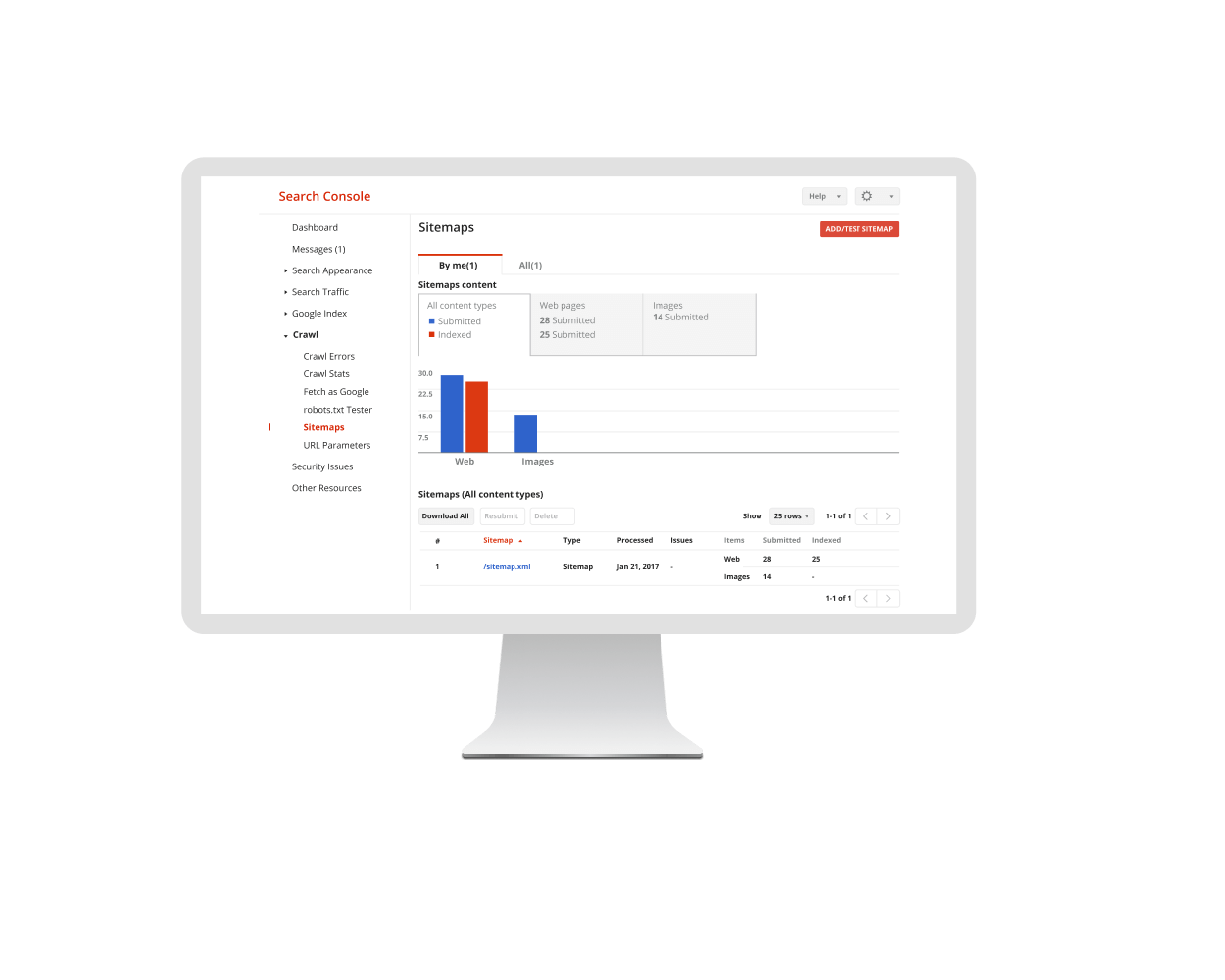
The good news for beginners is that you do not need to be a technical expert to get started. For WordPress users, tools like Squirrly SEO take a coaching-style approach, guiding you through optimisation in real time as you write. Rather than leaving you to figure out what to fix after the fact, it highlights improvements as you create, which is genuinely useful when you are still learning the ropes. Yoast SEO is another widely used WordPress option, handling technical essentials like XML sitemaps, canonical tags, and readability scoring. Both tools help give your content a cleaner, stronger foundation for ranking without requiring a background in web development.
The practical payoff of getting this right is significant. A post that earns a page-one position for a relevant search query does not just bring in traffic once. It generates compounding, free visits for months or even years afterwards. The median SEO programme returns approximately 748% on investment, roughly £7.48 for every £1 spent. That is the leverage that transforms online income from trading time for money into something that genuinely scales.
A Note for UK-Based Earners: What You Should Know
If you are based in the UK, there is genuinely good news worth highlighting before you dive in. Britain has one of the most developed affiliate marketing ecosystems in the world, with a well-established infrastructure of networks, programmes, and publisher communities that rivals anywhere outside the United States. That means as a British blogger or website owner, you are not starting from scratch in an underdeveloped market. The foundations are already there, and the opportunity is very real.
That said, there are a few practical things you need to know that are specific to earning online as a UK resident.
Understand your HMRC obligations from day one. Once your online income, including affiliate commissions, ad revenue, or digital product sales, exceeds £1,000 in a tax year, you move above what HMRC calls the trading allowance. At that point, you are required to register for Self Assessment and declare your earnings. Crucially, this threshold applies to your gross income, not your profit. So if you earn £1,100 but spent £300 getting there, you have still crossed the line. Keeping simple records from the very beginning saves you a lot of stress later, and it is much easier to start organised than to reconstruct everything under pressure.
Check how your chosen programmes pay. Many affiliate networks operate in both GBP and USD, but not all. If a programme pays in dollars and converts at an unfavourable rate, your effective commission can be noticeably lower than the headline figure suggests. It is worth checking payment currency before committing your content strategy to any particular programme.
UK-relevant niches are well served. British audiences are highly active online in sectors like finance, insurance, travel, and SaaS, and there are strong affiliate programmes operating in all of these areas. Brand recognition matters enormously to UK consumers, so programmes featuring brands your readers already trust will naturally convert better.
Resources like brianhillier.co.uk are built specifically with a UK audience in mind, which means the tools, strategies, and programme recommendations you will find there are genuinely relevant to your situation rather than adapted from advice written for a different market entirely.
Start Small, Stay Consistent, and Pick the Right Tools
Making money on the internet is genuinely real, but let’s be straight with you: it takes months of consistent effort, not days of wishful thinking. The bloggers and content creators who actually earn are not always the most talented writers in the room. They are the most consistent, the most focused on a specific niche, and the most deliberate about SEO. That 14% figure we mentioned at the start of this guide? It separates the people who dabble from the people who decide.
The good news is that getting started does not have to be complicated. A practical beginner stack looks like this: a self-hosted WordPress blog as your foundation, an SEO plugin like Squirrly or Yoast to help your content get found, one or two affiliate programmes that are relevant to your niche, and a display ad network like AdSense or PropellerAds to layer in early passive revenue. That combination covers the core pillars without overwhelming you before you have even published your first post.
If you want to go deeper on any of these tools, brianhillier.co.uk covers SEO plugins, affiliate marketing strategies, and WordPress monetisation in practical, beginner-friendly detail. It is worth bookmarking as your go-to resource as you build.
Here is your next step: pick one method from this guide, get it set up this week, and then measure your results after 90 days. Do not add another income stream until you have done that. Focus wins every time.
Conclusion
Making money online in 2026 is absolutely real, but it requires the right mindset and approach. Here are the key things to remember:
- The opportunities are legitimate, but they require consistent effort
- Starting small is perfectly fine; everyone begins somewhere
- Choosing one method and sticking with it beats jumping between every shiny new idea
- Scams exist, so protect yourself by trusting proven platforms and realistic expectations
The path forward is simpler than most people think. Pick one option that genuinely excites you, commit to learning it for 90 days, and track your progress honestly.
You do not need to be an expert, a tech wizard, or financially well-off to get started. You just need to begin.
So close the browser tabs full of empty promises, choose your starting point from this list, and take your first real step today. The internet is not going anywhere, and neither is your opportunity.